The disestablishment of Te Pūkenga has reshaped vocational education in New Zealand at a time when expectations are rising.
Financial scrutiny continues and industry demand is evolving, while learners prepare for careers that look very different from those of a decade ago. Regional polytechnics are regaining greater control, and private training establishments and industry bodies remain closely connected to employers. Across the country, leaders are considering how this shift can strengthen local responsiveness and contribute to regional prosperity.
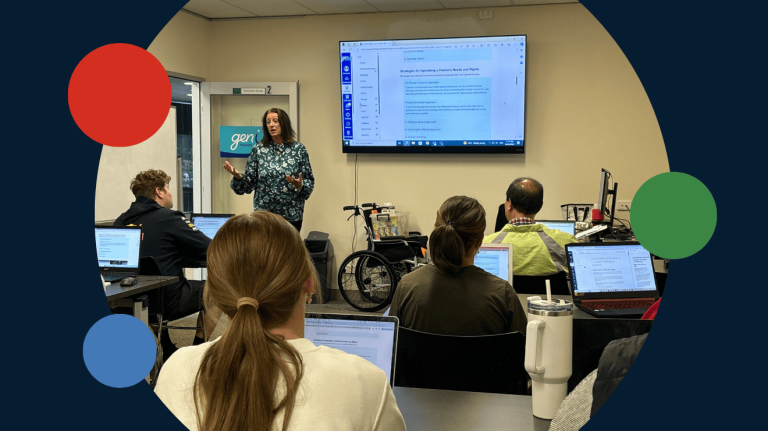
At a recent Instructure vocational education roundtable in Auckland, led by Professor Martin Bean CBE, discussion moved beyond structural reform and centred on practical decisions that will influence vocational education over the coming years. Participants included institutional leaders and representatives from industry organisations, grounding the conversation in lived workforce experience.
Attention turned to how programmes describe capability, how learning reflects contemporary practice, and how people move between study and employment over time. These questions were approached as long-term considerations, shaping graduate outcomes and employer confidence alike.
Making skills-based hiring work for vocational education
Employers across New Zealand are expressing their expectations with greater precision. Qualifications remain important, especially in regulated fields and, increasingly, employers want clearer evidence of applied capability.
The 2025 Hays Skills Report found that 86% of hiring managers in Australia and New Zealand are moving toward skills-based hiring to address persistent gaps, and 85% report that those gaps are affecting performance. Communication and teamwork remain highly valued, alongside the ability to apply knowledge in real situations.
This shift reinforces the need for clarity in programme design and assessment. Skills developed through study must be described in language employers recognise and demonstrated in ways that reflect workplace standards. Clear articulation strengthens the value of qualifications and gives graduates a more confident starting point.
Professor Bean noted that labour market demand often moves faster than institutional processes, and that stronger collaboration with employers can ease transitions into work.
Integrating AI into applied vocational education
AI emerged in discussion as a present feature of work. Many industries connected to vocational education already rely on AI-enabled systems in everyday operations. Graduates entering these fields will encounter those tools from the outset.
McKinsey’s 2025 State of AI survey reports that 78% of organisations use AI in at least one business function, while PwC’s 2025 Global AI Jobs Barometer highlights wage premiums for workers with AI-related skills and stronger productivity growth in AI-exposed industries.
Curriculum design and assessment practice therefore carry new weight. Learning environments need to mirror settings where digital tools inform professional judgement, and educators require time and support to adapt their practice.
AI literacy in applied programmes also brings ethical and workplace considerations into focus. Addressing these areas thoughtfully strengthens confidence in the system’s ability to prepare people for contemporary employment.
Designing pathways for lifelong workforce participation
Career journeys are becoming more fluid. Many people return to formal education as industries evolve or as their own goals shift. Vocational education therefore plays an ongoing role in capability development.
That role depends on how clearly learning connects to recognition. Achievements that are straightforward to verify and share give people portable evidence of their skills, supporting mobility and reinforcing trust.
As governance arrangements continue to settle, institutions and training organisations have greater scope to adjust pathways in response to regional demand while maintaining national credibility. Close engagement with employers helps ensure provision reflects real conditions.
Turning regional autonomy into strategic agency
With responsibility more clearly held at the institutional level, decisions about direction and delivery sit closer to those who understand their regions well. That proximity supports more timely adjustment, enabling curriculum and partnership approaches to evolve alongside workforce change.
For some organisations this may involve strengthening established programmes, while for others it could mean expanding into new areas of provision, with the shared aim of delivering education that remains closely aligned with regional needs.
The disestablishment of Te Pūkenga has created space for vocational education in Aotearoa to move forward with clearer local direction. Grounded in regional insight and sustained industry engagement, the system can build on its strengths and support more people into skilled work that contributes to thriving communities.

Product Demos & Videos
How BCITO is transforming site-based apprenticeships with Canvas

Ebooks & Buyer's Guides