

RMIT University
College of Business and Law
Skills in Motion: Designing Learning Where Skills Become Visible, Practised, and Valued

The RMIT College of Business and Law is reimagining how skills are designed, developed, and evidenced across the student learning journey. RMIT’s approach moves beyond content delivery and isolated assessments, towards holistic learning experiences that make skills visible, explicit, and meaningful to students, educators, and industry.
Over the last three years, RMIT has evolved a robust methodology that shifts from siloed innovation to programmatic impact. Grounded in its Holistic Learning Design (HLD) approach, it leverages Learning Arches to orchestrate the curriculum, transforming isolated units into a visual roadmap of progressive mastery that prepares students for the complexities of the future workforce. Canvas serves as the core structure for immersive, industry-aligned learning pathways. By embedding reflection and authentic practice across entire programs, RMIT ensures that students don’t just "learn" skills but actively demonstrate them in professional contexts. Rather than treating skills as an end-state, the university pivots to a capability-led model where skills are the core currency, driving the design of curriculum and assessment from the ground up.
RMIT’s work is grounded in three complementary approaches - leveraging "LoFi" industry partnerships, scaling skills programmatically using the HLD framework, and exploring technological frontiers - that together support scalable, capability-led learning. These pillars demonstrate how thoughtful Holistic Learning Design transforms the student experience and embeds employability across 32 programs and 158 course redesigns in meaningful, measurable ways. By integrating everything from industry-standard Excel simulations to emerging VR and AI environments, RMIT ensures its graduates move beyond theory into authentic, professional mastery.
This is more than a technological shift; it is a culture shift. It is RMIT’s commitment to ensuring that every graduate possesses the mindset and industry-ready capabilities to thrive in a rapidly evolving world.
Closing Statement
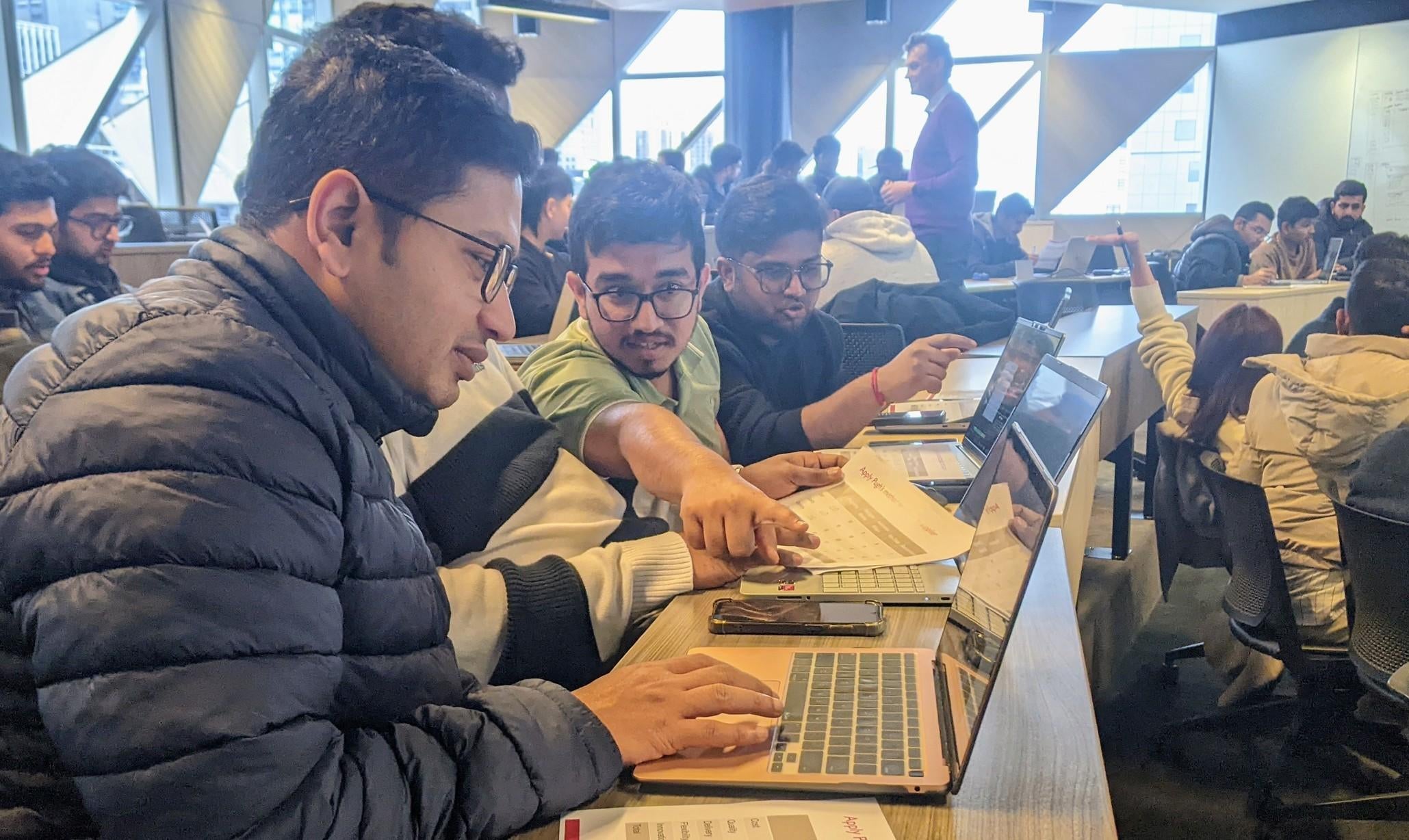
Skills in Motion is the culmination of a three-year evolution, marking the shift from isolated innovation to systemic, programmatic impact. By anchoring the Holistic Learning Design (HLD) framework within Canvas, RMIT has transformed 158 courses across 32 programs, treating skills as a core currency for over 2,000 students. Its work proves that through intentional design - stretching from "LoFi" industry simulations to emerging technological frontiers—RMIT can create authentic, "safe-to-fail" environments that bridge the gap between academic theory and professional mastery.
This is more than a technological shift; it is a Culture Shift. This is not a finished model, but a living practice fueled through collaboration, reflection, and partnership with educators, students, and industry. The university remains committed to designing environments where skills are visible, practiced, and deeply connected to real-world contexts, ensuring every RMIT graduate possesses the mindset and industry-ready capabilities to thrive in a rapidly evolving world.
This is RMIT's legacy. This is Skills in Motion.

The approaches showcased on this page reflect the strategic direction and priorities championed by Professor Kathy Douglas (ADVC Learning, Teaching and Quality), whose leadership has been central to shaping a capability-led, skills-focused learning culture across CoBL.
The People Behind Skills in Motion
This work is the result of sustained collaboration between learning designers, digital developers, academics, and industry partners across the College of Business and Law. It reflects a shared commitment to designing learning experiences where skills are not only taught, but practised, evidenced, and valued as part of the student learning journey.
Project Leads and Contributors:


