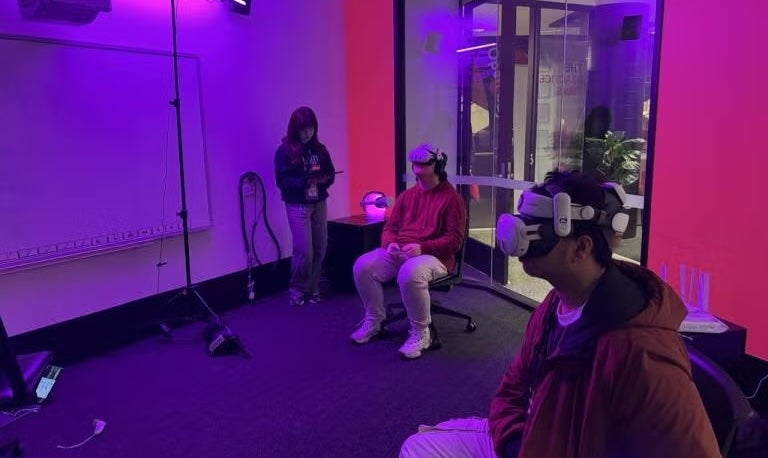
By fostering a culture of experimentation, we intentionally integrate emerging technologies to deepen student skill development and real-world application. Over the past three years, we have evolved our use of Virtual Reality (VR) and Generative AI to create "safe-to-fail" environments within Canvas, allowing students to master complex, high-stakes professional competencies.
Our VR initiatives have leveraged platforms like Tailspin and Skillsync to simulate intricate client conversations and decision-making contexts that would otherwise be impossible to replicate at scale.
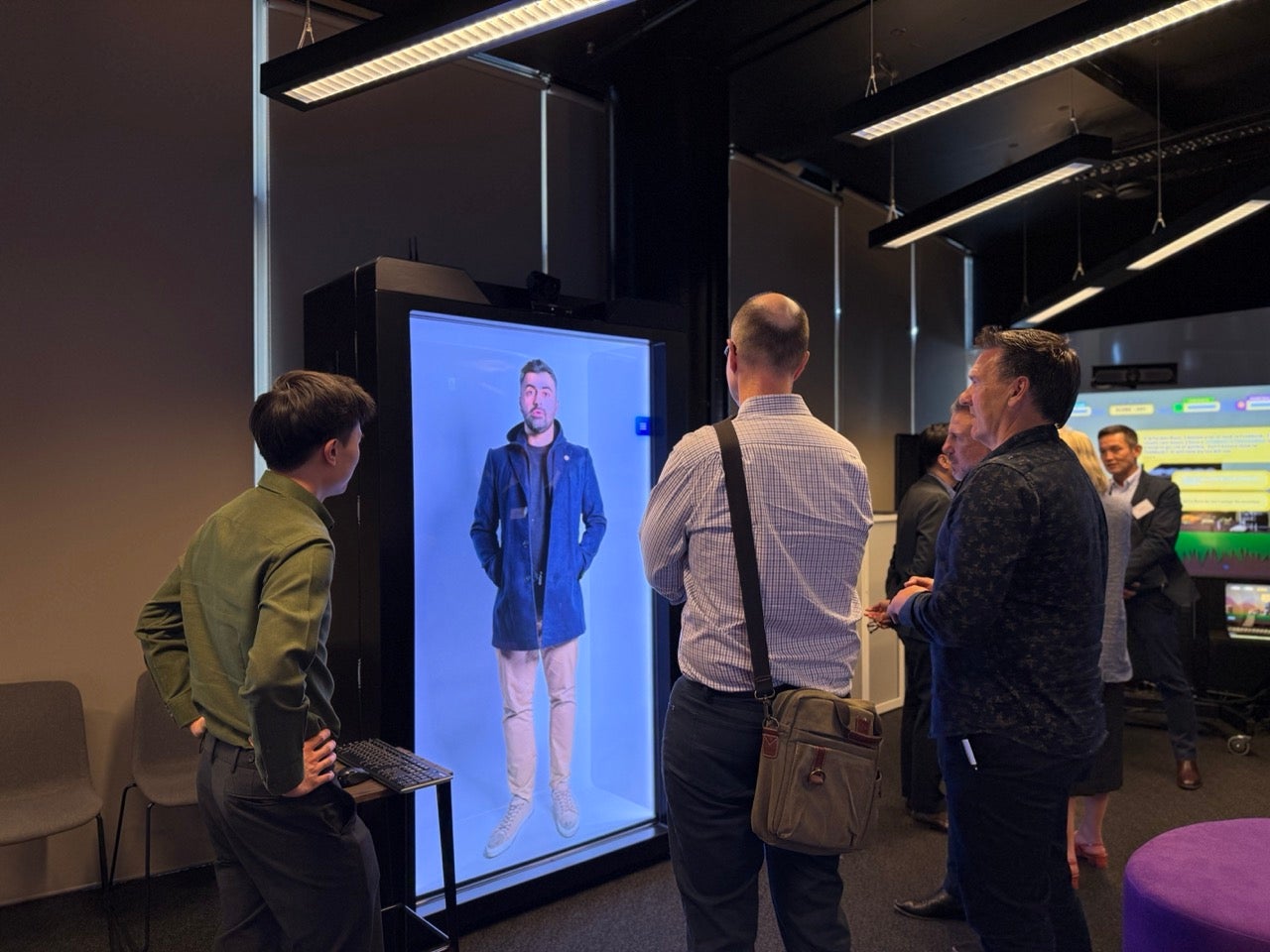
Complementing this, our work with Digital Humans and AI Avatars has introduced interactive learning companions that anchor immersive, performance-based activities. These AI-enabled personas provide a dynamic interface for students to test their skills in real-time, evolving alongside their progress to provide high-fidelity practice in client negotiation, ethical reasoning, and professional reflection.
Highlights:
- AI Skills Scaffolding Framework: A custom
framework applied to courses to identify, map
and implement AI skill set regimens for students
- Tailspin and AI Avatars: Digital Human and AI avatar projects used to simulate client conversations, professional scenarios, and decision-making contexts (Tailspin, AI Avatar project)
- SkillSync: Immersive skills simulations, designed to support the practice of professional skills such as communication and presentation.
- Service Marketing Game: VR simulations developed as part of a learning activity to test student knowledge.
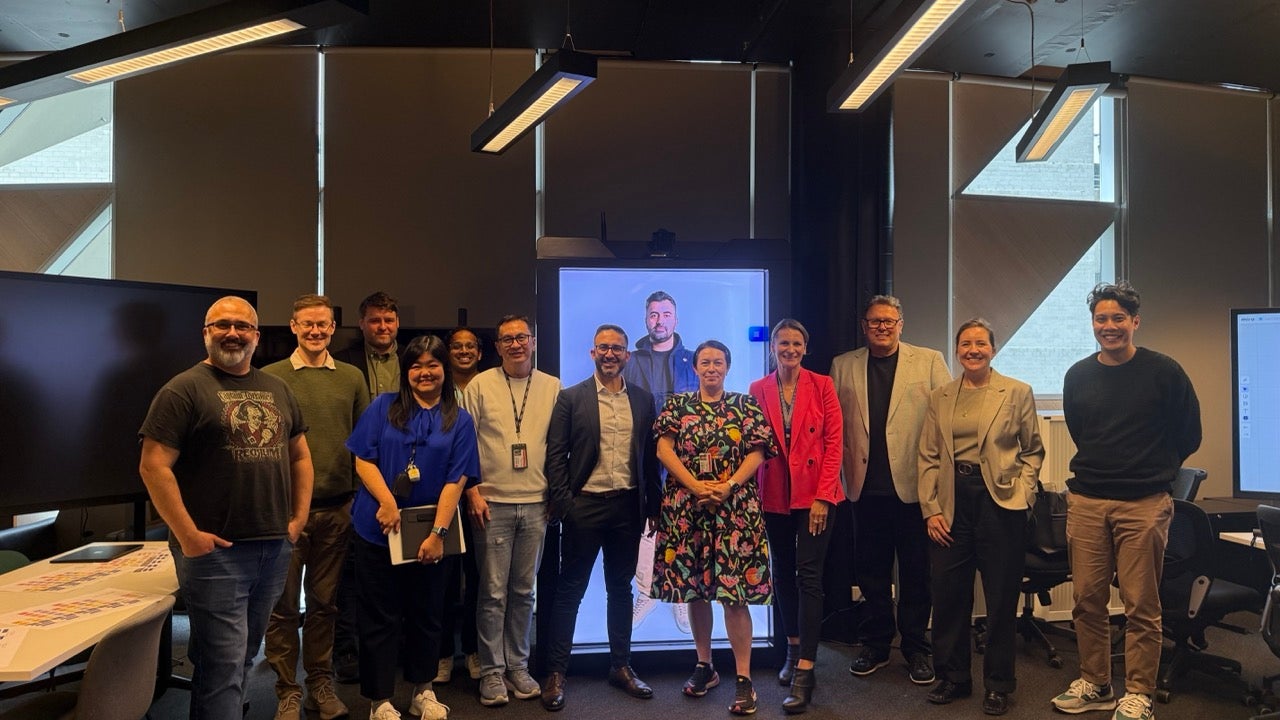
Embedded directly within Canvas, these interactions are supported by structured feedback loops, ensuring that every session with an AI avatar serves a clear pedagogical purpose: refining the transferable and technical skills required for a modern career.
Beyond simulations, we are pioneerings ways to scaffold AI literacy directly into our curriculum. Utilising our Gen AI Skill Continuum and a new AI Scaffolding Framework, we map a structured progression of competencies across industries. This ensures students move beyond basic prompt engineering to master the high-level synthesis and critical evaluation of AI outputs -a systematic process designed to deliver the technical fluency required by today’s industry partners.
Case Study 3: Exploring the Frontier, New Technologies for Skill Development